November 13, 2026
Adding a swimming pool to a property involves much more than choosing a shape and deciding where to place it. Homeowners must consider the available yard space, existing landscaping, property layout, intended use, and long-term maintenance needs. A successful project begins with understanding how these elements work together to create an outdoor environment that feels comfortable and functional.
Professional pool companies help homeowners navigate these decisions by evaluating their properties, discussing design possibilities, and recommending features that complement the surrounding landscape. Rather than treating the pool as an isolated addition, thoughtful planning considers the entire outdoor space. This approach helps homeowners make informed decisions and develop a design that supports their lifestyle without overwhelming their property.
Evaluating the Available Outdoor Space
Before discussing specific pool designs, homeowners benefit from understanding how much usable space their properties actually offer. The dimensions of a backyard provide a starting point, but the entire layout matters. Existing patios, gardens, trees, fences, walkways, and outdoor structures can influence where a pool should be positioned. A professional evaluation helps identify practical opportunities while accounting for features that homeowners want to preserve.
Pool companies consider how the property is currently used and where additional outdoor features could fit comfortably. A backyard with an expansive lawn may accommodate a larger swimming area, while a narrower property might benefit from a streamlined design. These considerations help establish realistic expectations before homeowners commit to a particular concept.
The relationship between the pool and the surrounding environment is equally important. Designers evaluate available access, changes in elevation, drainage considerations, and the placement of existing structures. Understanding these conditions early helps prevent unnecessary complications during construction and supports a more cohesive finished design.
Choosing a Pool Shape That Complements the Property
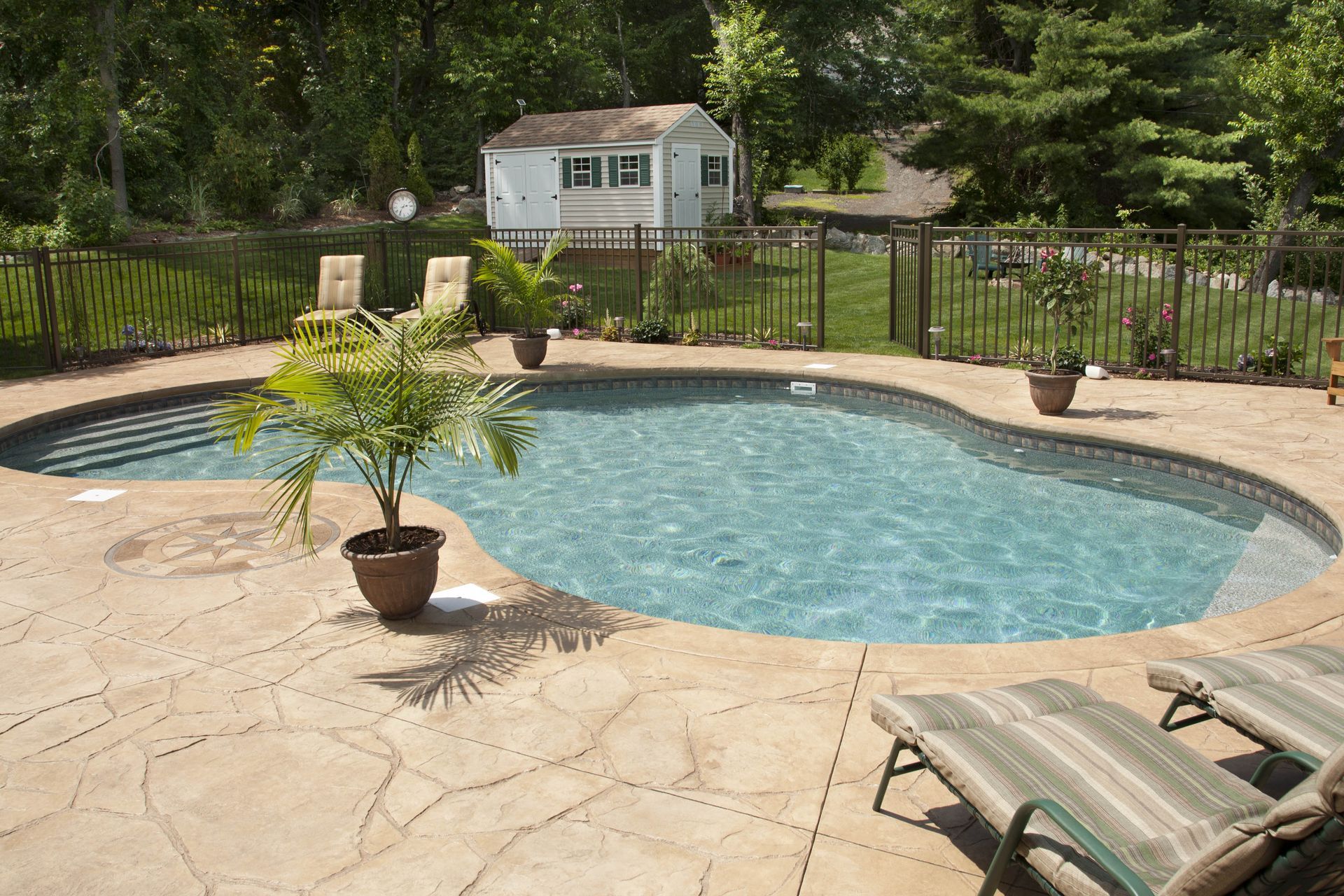
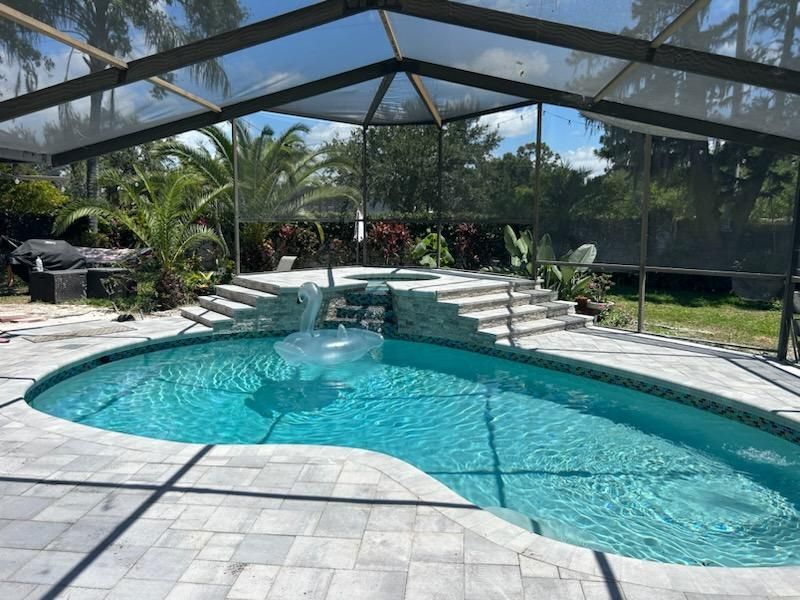
The shape of a swimming pool can significantly influence how an outdoor space looks and functions. Rectangular pools offer clean lines that complement contemporary architecture and structured landscaping. Freeform designs provide softer contours that can blend naturally with gardens, curved patios, and more relaxed backyard environments. The right choice depends on the property's characteristics and the homeowner's preferred aesthetic.
Homeowners should also consider how the pool's proportions relate to the surrounding yard. A design that looks appealing in isolation might feel oversized once placed alongside a patio or outdoor kitchen. Conversely, a smaller pool can become a beautiful focal point when its shape and placement complement the existing landscape.
When exploring possibilities, pool companies can explain how different configurations affect available swimming space, surrounding walkways, and opportunities for additional amenities. These discussions help homeowners compare designs based on practical considerations rather than appearance alone. The goal is to select a pool that feels like a natural extension of the property.
Considering How the Pool Will Be Used
A swimming pool should reflect the activities and experiences homeowners want to enjoy. Some families prioritize recreational swimming, while others envision a relaxing retreat where they can unwind after a busy day. Homeowners who frequently entertain guests may want generous surrounding deck space, comfortable seating areas, and convenient access to other outdoor amenities.
Understanding these preferences helps shape decisions about pool dimensions, depth, entry points, and additional features. Families with children may prioritize accessible entry options and areas suitable for supervised recreation. Homeowners interested in exercise might prefer a longer swimming area that supports regular physical activity.
According to Ruby Home, the United States has 10.7 million swimming pools, reflecting how established residential swimming pools are as an outdoor amenity. This widespread presence also demonstrates why thoughtful planning matters. Every property and household has different priorities, making it important to approach the design process with individual needs in mind.
Integrating the Pool With Existing Landscaping
A swimming pool should complement the surrounding landscaping instead of competing with it. Existing trees, shrubs, garden beds, and natural features can help establish the overall atmosphere of an outdoor environment. Preserving desirable landscaping elements may also help homeowners maintain the character of their properties while introducing a new recreational feature.
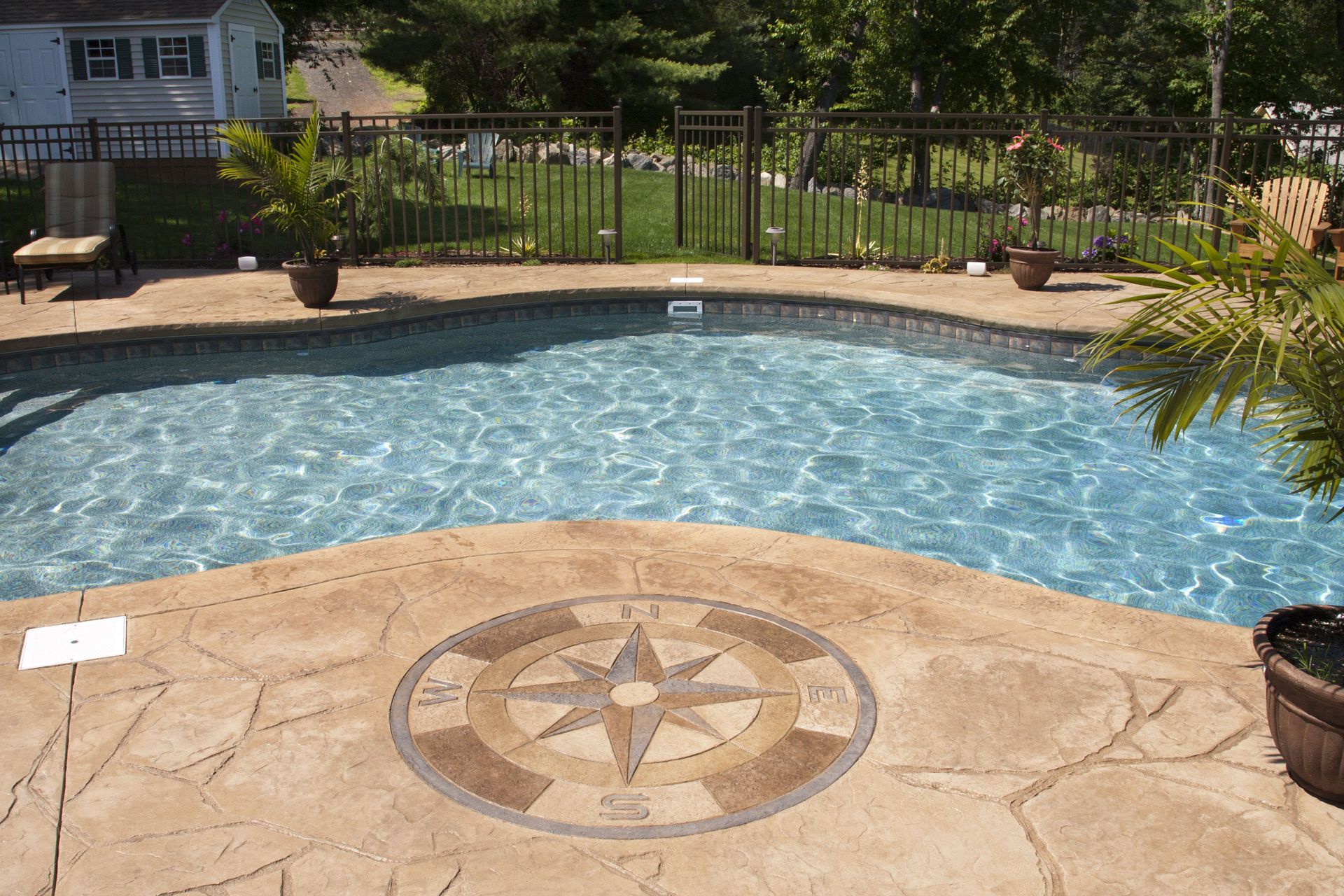
Material selection plays an important role in creating visual continuity. Pool decking, coping, surrounding walkways, and patio surfaces should coordinate with the home's exterior and other outdoor finishes. Complementary colors and textures can make the transition between the pool and surrounding areas feel intentional. These choices also influence the overall appearance and atmosphere of the finished space.
Pool companies can help homeowners consider landscaping as part of the larger design rather than an afterthought. This includes discussing planting locations, shade opportunities, privacy features, and transitions between outdoor living areas. A coordinated approach creates a more inviting environment while ensuring the swimming area remains accessible and functional.
Planning Additional Features and Outdoor Amenities
The swimming pool may be the centerpiece of a backyard transformation, but surrounding amenities often determine how enjoyable the entire space becomes. Features such as outdoor kitchens, covered seating areas, fire features, lighting, and decorative water elements can create opportunities for relaxation and entertainment. However, each addition should serve a purpose and fit comfortably within the available property.
Homeowners should think about how people will move between these features. For example, convenient access between the swimming pool and an outdoor dining area can make entertaining more comfortable. A shaded lounge area provides a place to relax away from direct sunlight, while strategically placed lighting can improve visibility and contribute to the atmosphere after sunset.
When discussing additional features with pool companies, homeowners should communicate which amenities matter most to their households. Prioritizing essential elements helps maintain a cohesive design and prevents the project from becoming unnecessarily complicated. A carefully selected combination of features can make an outdoor space more versatile without sacrificing the swimming area's primary purpose.
Establishing a Practical Design and Construction Plan
Once the general layout and desired features have been identified, homeowners can begin considering the practical requirements of bringing the project to life. Budget, site conditions, material availability, construction access, and permitting requirements can all influence the final design. Addressing these considerations early helps establish a realistic direction before construction begins.
A detailed planning process should also account for ongoing ownership responsibilities. Homeowners need to consider water circulation, filtration, cleaning, seasonal care, and general equipment maintenance. Selecting appropriate equipment and planning convenient access to essential components can make routine upkeep more manageable. These details may not be the most exciting part of designing a swimming pool, but they contribute to long-term satisfaction.
Communication throughout the project is equally important. Pool companies can guide homeowners through design discussions, explain available options, and help coordinate decisions as the project develops. Reviewing the proposed layout and understanding the construction process can reduce uncertainty and help homeowners feel more confident about the investment.
The most successful designs balance visual appeal with practical considerations. A beautiful swimming pool should also accommodate the property's layout, support the household's activities, and provide a comfortable setting for everyday enjoyment. Taking the time to address these priorities creates a stronger foundation for the entire project.
A thoughtfully designed swimming pool can transform an ordinary backyard into a welcoming place for recreation, relaxation, and entertaining. Make the most of your outdoor space by partnering with Elite Pool Designs Inc. Take the next step toward a pool that complements your property, reflects your vision, and makes your backyard a place worth enjoying.