June 11, 2026
Building a swimming pool is a long-term investment that combines design, functionality, and property value. Before construction begins, homeowners benefit from understanding how to properly evaluate planning decisions and professional support. Working with a qualified pool contractor helps ensure the entire process stays structured, compliant, and aligned with expectations from start to finish.
A successful pool project depends on asking the right questions early, especially around design choices, cost planning, and timelines. Many homeowners underestimate how many details are involved, from permits and materials to inspections and long-term maintenance. Clear communication with a contractor helps reduce uncertainty and supports better decision-making throughout each phase of the project.
Evaluating the Experience and Credentials
Understanding how a contractor operates begins with reviewing their background, qualifications, and track record. Experience plays a major role in how efficiently challenges are handled during construction. A more established pool contractor is typically better prepared for site conditions, design adjustments, and scheduling disruptions.
Licensing and insurance should always be verified before signing any agreement. These requirements protect both the homeowner and the contractor in case of accidents or property damage. Certifications from industry organizations can also signal a commitment to updated construction methods and professional standards.
A portfolio of completed work provides insight into design capability, quality, and versatility. Reviewing past projects helps determine whether the contractor can deliver results that match your expectations. Client references also add valuable real-world feedback about communication, reliability, and problem-solving.
In many cases, a dependable contractor will be transparent about challenges faced on previous projects and how they were resolved. That level of honesty is often a strong indicator of professionalism and long-term reliability.
Exploring the Design Features and Options
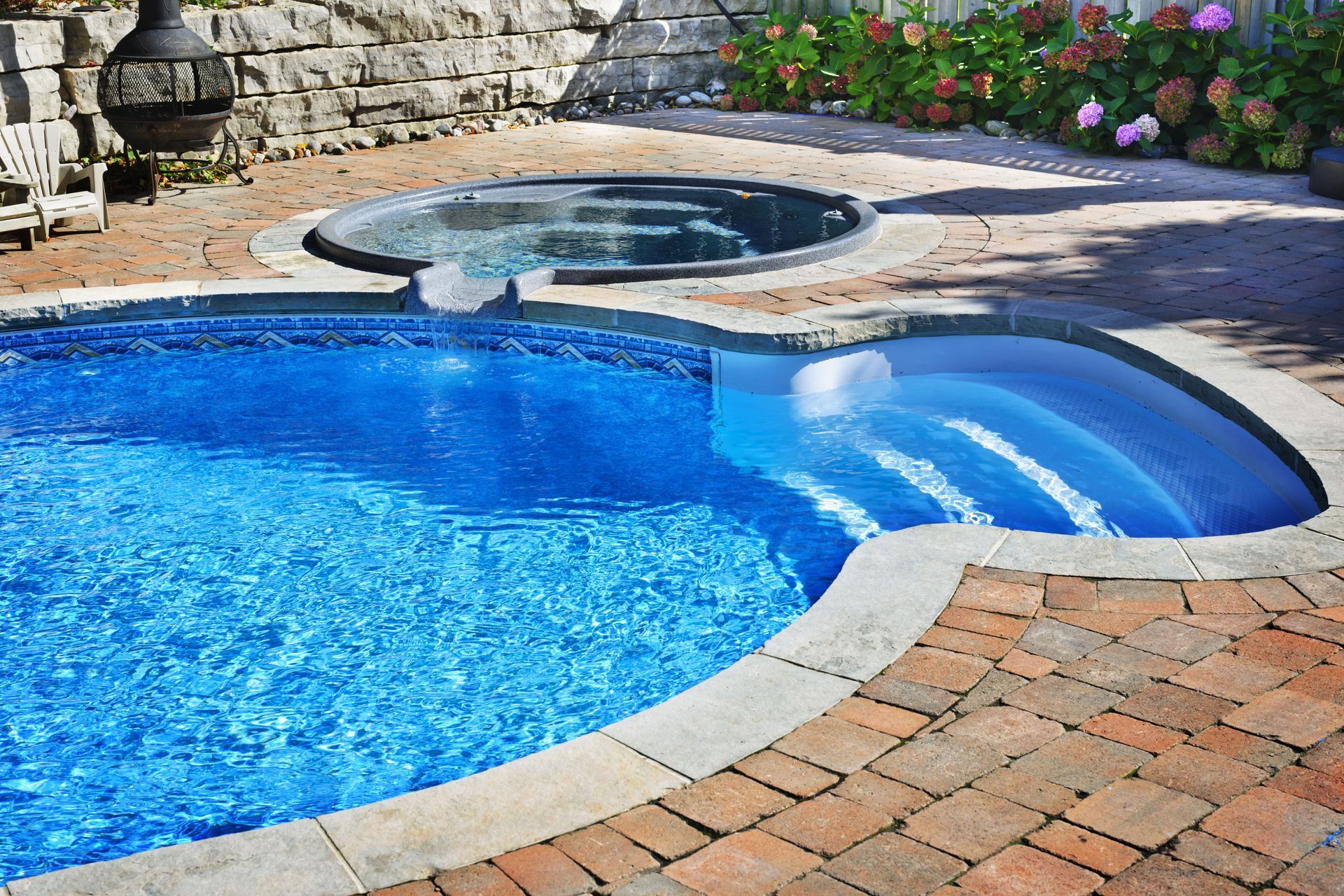
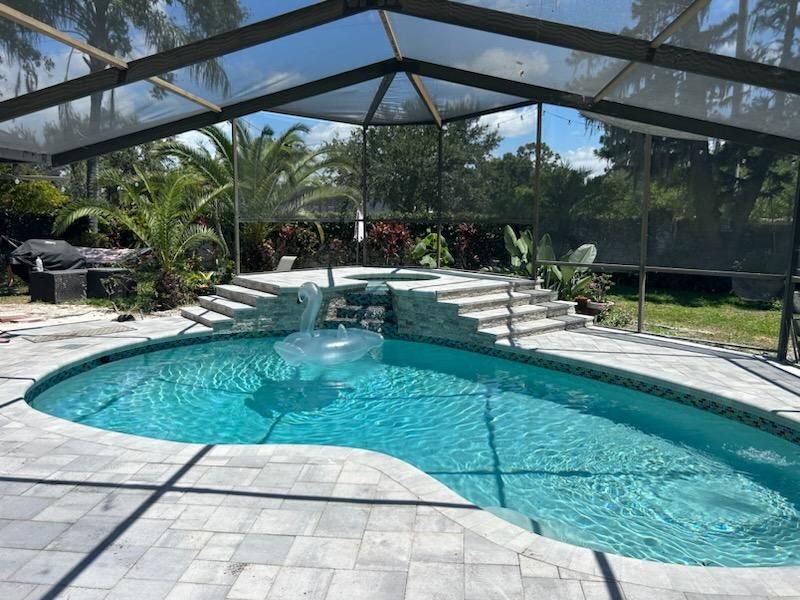
Design flexibility is one of the most important aspects of planning a new pool. A skilled contractor should guide homeowners through layout options, depth decisions, and feature customization. Elements such as lighting, waterfalls, spas, and seating areas can significantly improve both function and visual appeal.
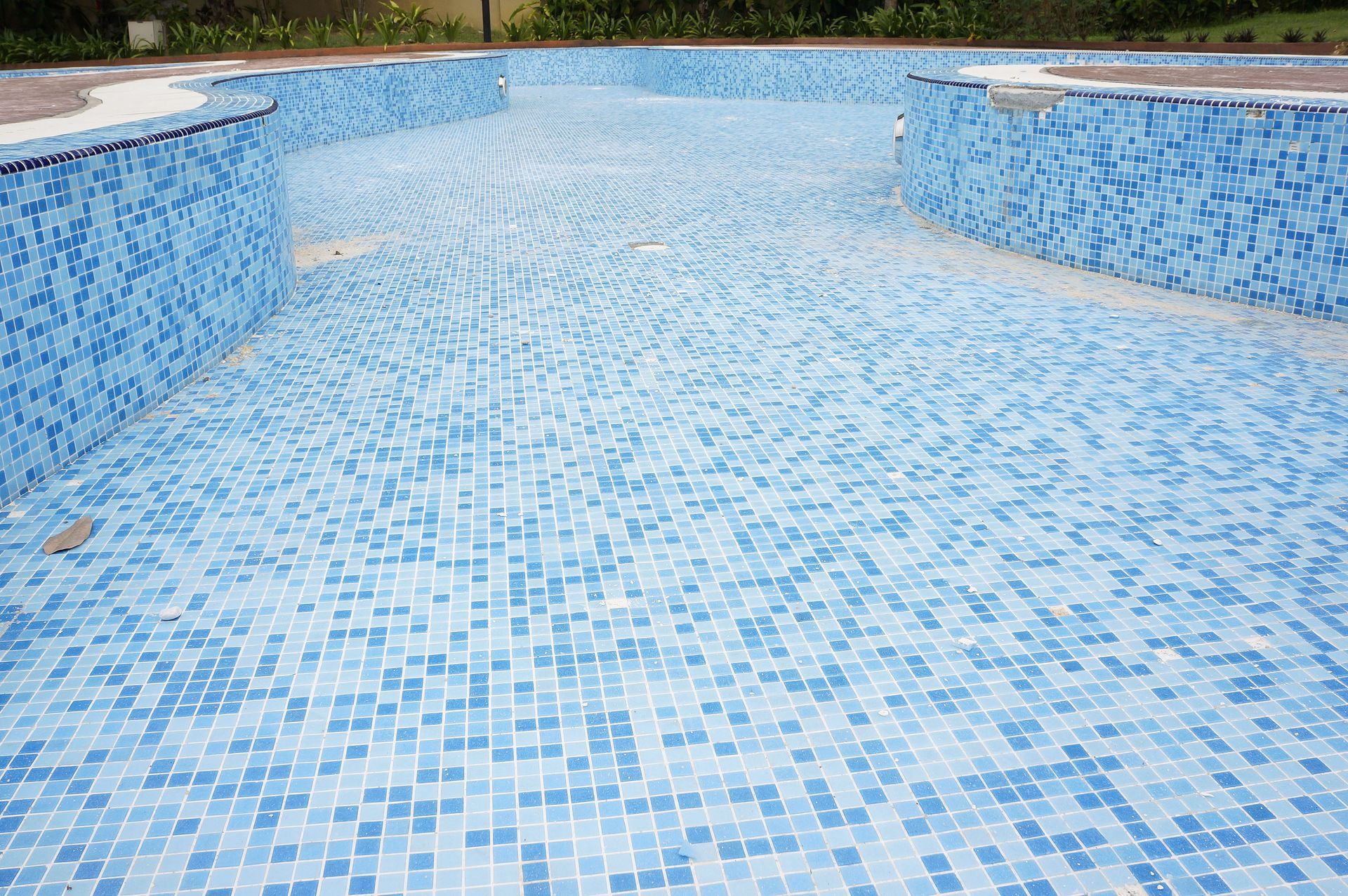
Material selection is another major factor in long-term durability and maintenance. Concrete, fiberglass, and vinyl each offer different benefits depending on budget and expectations. A knowledgeable contractor will explain how each material performs under local weather conditions and usage demands.
Modern pools increasingly include technology-driven features. Automated cleaning systems, remote controls, and smart lighting enhance convenience while improving energy efficiency. A forward-thinking pool contractor will help align these options with how the pool will actually be used.
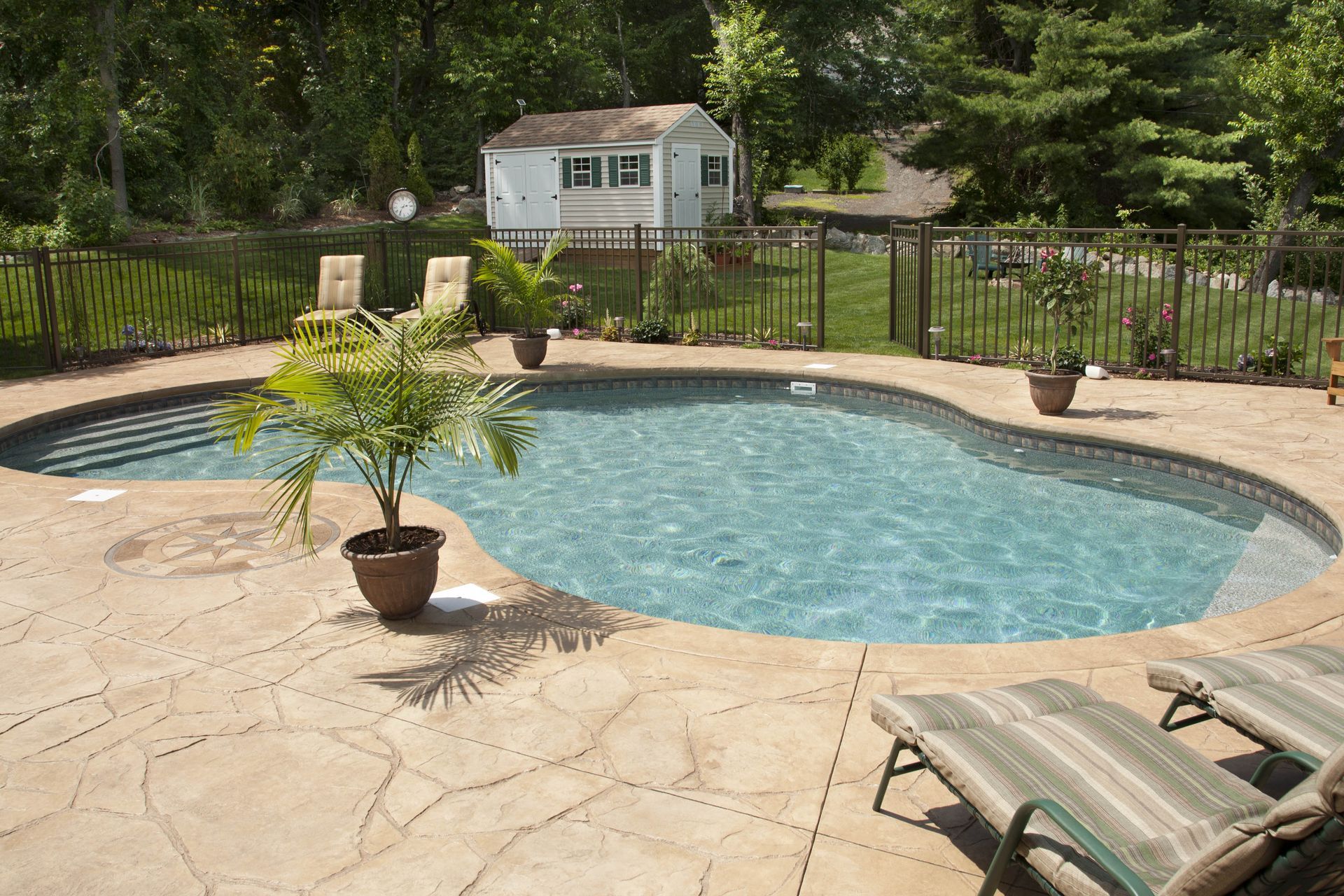
Landscaping also plays a key role in the final result. Decking, greenery, and outdoor living features should be planned alongside the pool design for visual consistency. A well-integrated approach ensures the pool feels like a natural extension of the property.
Energy efficiency is another important consideration. Features like LED lighting, variable-speed pumps, and efficient heating systems help reduce long-term operating costs. A well-informed contractor will typically recommend solutions that balance performance with sustainability.
According to industry reporting summarized by 360ResearchReports, more than 900,000 new pools were constructed in the United States in 2024, reflecting strong demand for residential outdoor upgrades. This level of activity highlights the importance of choosing a contractor who understands modern design standards and evolving homeowner expectations.
Planning the Estimated Timeline for Completion
Project timelines depend on several factors, including design complexity, weather conditions, and permitting requirements. A reliable pool contractor will break the project into clear phases so homeowners understand the sequence of work. These phases typically include excavation, structural installation, plumbing, electrical work, finishing, and final inspection.
Weather can significantly impact construction schedules. Rain, temperature extremes, and seasonal changes may slow progress or require adjustments. An experienced contractor builds flexibility into the schedule to account for these conditions while maintaining steady progress.
Delays can also occur due to material availability or unexpected site conditions. A structured approach to problem-solving helps minimize disruption. A professional contractor communicates these issues early and provides realistic timeline updates rather than vague estimates.
Ongoing communication is essential throughout construction. Regular updates allow homeowners to track progress and stay informed about any changes. A responsive contractor ensures decisions can be made quickly when adjustments are needed.
Flexibility is also important when managing expectations. While timelines provide structure, construction conditions can shift. A skilled contractor balances efficiency with quality to ensure the final outcome meets expectations.
Reviewing the Total Costs and Payment Schedule
Understanding total cost starts with a clear breakdown of materials, labor, permits, and design features, and a pool contractor should provide full transparency to avoid unexpected expenses later. Payment schedules are usually tied to construction milestones, helping distribute costs throughout the project while keeping progress aligned with payments.
Contingency budgeting is also important since site conditions or design changes can increase costs, and a contractor often recommends setting aside extra funds for flexibility. Warranties and guarantees should be clearly explained so homeowners understand coverage for workmanship and materials. Post-construction services like maintenance and cleaning add long-term value and help protect the investment over time.
Handling the Permits and Legal Requirements
Permits are required for pool construction to ensure compliance with local regulations, and a contractor typically manages this process to avoid delays and ensure safety standards are met. Local building codes vary by area, so compliance must be built into the design from the start to prevent costly changes later.
Homeowners association rules may also affect design choices like placement, fencing, and materials, which a contractor should address early to avoid conflicts. Environmental factors such as drainage, water usage, and energy efficiency are also considered to meet modern standards. Inspection scheduling is handled at key stages to confirm code compliance and keep the project moving forward smoothly.
Managing the Safety and Risk Management
Safety is essential in construction involving excavation and heavy equipment, and a contractor uses structured protocols to protect workers, property, and the jobsite. Proper crew training improves workmanship and helps teams manage complex tasks efficiently.
Insurance coverage protects homeowners from liability, and a contractor should provide proof before work begins. Emergency procedures and clear safety planning reduce disruptions if issues arise. Clean, controlled job sites help maintain consistent safety standards throughout the project.
Questioning the Communication and Post-Project Support
Strong communication is essential for keeping a project on track. A reliable contractor provides consistent updates and remains available for questions throughout construction. This helps ensure alignment between expectations and progress. Clear communication also reduces misunderstandings when design changes or scheduling adjustments occur. When issues arise, a responsive pool contractor addresses them quickly and transparently. This builds trust and improves overall project flow.
Post-project support is equally important once construction is complete. Maintenance guidance, equipment training, and seasonal care instructions help protect the investment. A dependable contractor often provides ongoing assistance to ensure long-term performance.
Additional services such as cleaning, water balancing, and system inspections help maintain efficiency and water quality. Continued access to a contractor improves long-term reliability and reduces maintenance stress.
Selecting the right professional for a pool project requires careful evaluation of experience, design capability, cost structure, and long-term support. Asking detailed questions early helps prevent complications and creates a smoother construction process from start to finish. A qualified pool contractor plays a central role in ensuring each stage is executed with clarity and consistency. When planning, communication, and execution are aligned, the result is a durable and well-designed outdoor space that enhances everyday living. For homeowners ready to move forward with confidence, contact Elite Pool Designs Inc.